
Commercial Kitchen Refurbishment: 5 reasons why waiting could be costing you
A commercial kitchen doesn't have to be falling apart before it needs refurbishing. In fact, waiting until something goes seriously wrong is often more expensive than making improvements sooner. So how do you know when it's time to act?

At Aspen Services, we design, refurbish and install commercial kitchens for businesses across the South West and beyond. We often work with people who realise too late that their kitchen has been cost them time and money. Here are 5 signs that it might be time to consider an upgrade.
1. Kitchen equipment: when is old TOO old?
The odd breakdown is part of running a busy commercial kitchen. But when equipment regularly needs attention, the cost goes beyond the repair bill. That downtime interrupts service, puts more pressure on staff and results in lost revenue. Older equipment is often less efficient than modern alternatives, meaning that it costs you money every day.
If you're repeatedly repairing the same appliances, it may be worth comparing the cost of ongoing maintenance with the benefits of replacement. However, refurbishment doesn't necessarily mean replacing everything.
When Aspen refurbished the kitchen at The Merry Monk, a family-run pub near Taunton, some existing equipment was still perfectly serviceable. Rather than replacing it unnecessarily, we incorporated those appliances into the redesigned kitchen alongside new equipment selected to improve practicality and ergonomics.
Read our Merry Monk commercial kitchen refurbishment case study.
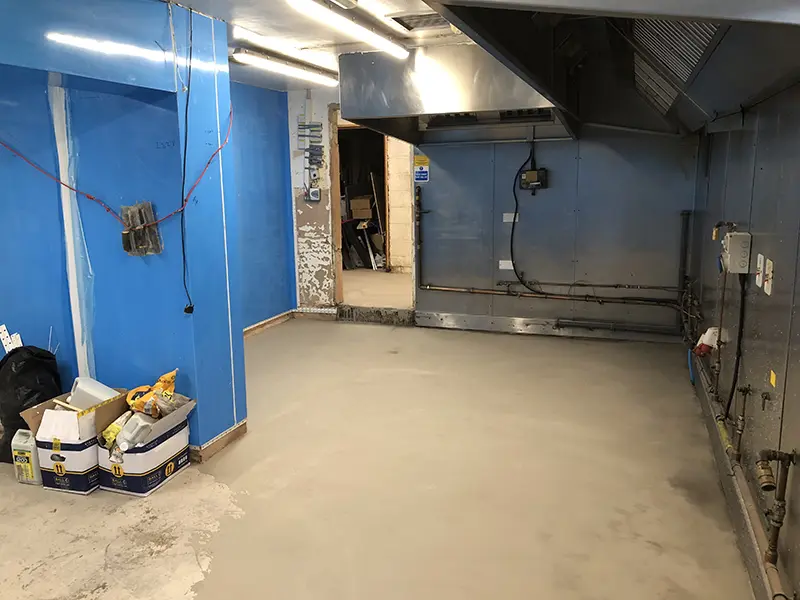
The Merry Monk pub: before refurb
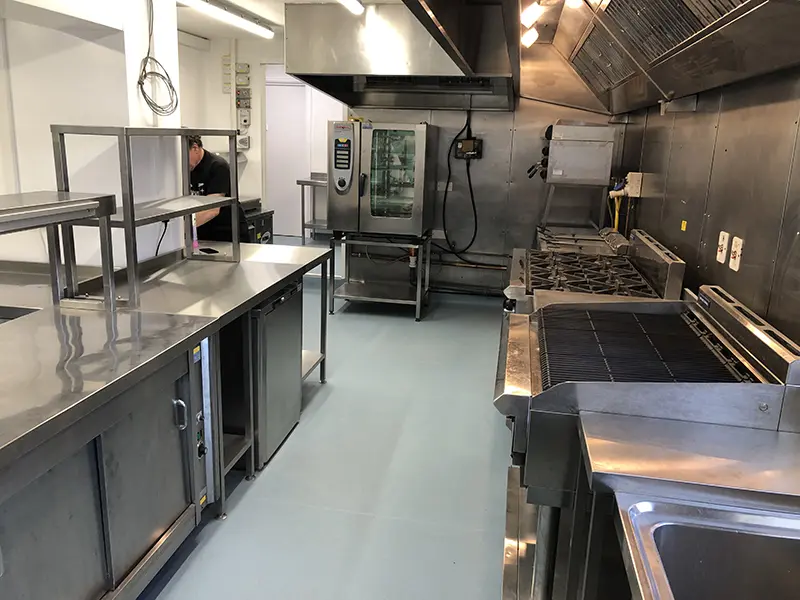
The Merry Monk finished kitchen
2. Is your kitchen layout still working for you?
Even with reliable equipment and what appears to be ‘sufficient space’, a poorly designed kitchen makes everyday service unnecessarily difficult. Staff may have to work around awkwardly positioned appliances, preparation areas might be too far from cooking stations, or storage may be difficult to access during busy periods.
Common warning signs include:
Staff regularly crossing paths during service.
Insufficient preparation or accessible storage space.
Equipment positioned inconveniently for the tasks being performed.
Bottlenecks around cooking, washing or food collection areas.
Difficulty separating different food preparation activities.
These problems can slow down service, frustrate staff and make it harder to maintain consistent standards.
A refurbishment is an opportunity to rethink how the kitchen works rather than simply replace equipment in its existing position. Good commercial kitchen design considers how ingredients, staff, equipment and finished dishes move through the space. Even relatively modest layout changes can make a substantial difference to everyday operations.
3. Has your business outgrown your kitchen?

The Peppermill Hotel, Devizes
A commercial kitchen designed around yesterday's business might struggle to meet today's demands. You might be serving more customers, offering a wider menu or expanding into events and private dining. Even a well-designed kitchen has limits to what it can accommodate.
At The Peppermill Town House Hotel in Devizes, the client wanted to expand its catering facilities to support a new function room, additional accommodation and a tapas-style lunchtime menu.
Aspen transformed an existing ground-floor space into a multipurpose kitchen, including new floors, walls, ceilings, plumbing and a completely new ventilation and extraction system. Because the hotel occupies Grade II listed buildings, the design also needed to respect the existing structure and appearance.
Explore our Peppermill Hotel commercial kitchen project.
Expanding your catering operation doesn't necessarily mean moving premises or building an entirely new kitchen. A well-planned refurbishment may allow you to increase capacity and introduce new services within your existing space.
4. Could your kitchen be costing more than it should?
Older commercial kitchen equipment can be expensive to operate, particularly when energy consumption is high. Refrigeration, cooking and warewashing appliances all contribute to running costs, and improvements in technology mean that newer models may offer significant efficiency advantages over older equipment.
However, replacing an appliance simply because a newer model is available doesn't necessarily make financial sense. The purchase and installation costs need to be weighed against potential savings over its working life.
It's worth reviewing your equipment's energy consumption and operating costs periodically to identify where investment would be worthwhile. Upgrading selected appliances could prove more economical than waiting until they become unreliable or prohibitively expensive to run.
5. Are you keeping up with changing requirements?
Commercial kitchens must meet appropriate standards for food safety, hygiene and working conditions. Over time, changes to equipment, menus and working practices can expose shortcomings in facilities that were originally fit for purpose. These might include inadequate ventilation, unsuitable food storage, insufficient handwashing facilities or workspaces that no longer meet the needs of the people using them.

Tops Day Nurseries, Wimborne
At Tops Day Nurseries in Wimborne, Aspen upgraded a kitchen originally designed for a pub, adapting it to the very different requirements of a nursery.
The project involved new refrigeration, hygienic storage systems and bespoke stainless-steel fabrication, with particular attention to food safety, staff working conditions and safeguarding. Aspen introduced integrated shelving, pan rails and secure storage designed around the catering team's needs.
Read about the Tops Day Nurseries kitchen upgrade.
Refurbishment provides an opportunity to address these shortcomings and ensure your facilities remain suitable for the way your business operates.
For more information, see our practical guide to commercial kitchen regulations.
Worried about the disruption of a kitchen refurbishment?
For many catering businesses, the biggest obstacle to refurbishment is the prospect of closing the kitchen while work takes place. However, careful planning can minimise disruption, with work scheduled outside normal operating hours or equipment prepared off-site.
At The Merry Monk, Aspen worked to a tight two-week schedule, preparing equipment and fabrication work at our warehouse to help complete the refurbishment ahead of time.
At Tops Day Nurseries, the bulk of the kitchen strip-out, plumbing and installation was completed in just five hours outside normal nursery hours.
Both projects demonstrate how careful preparation can reduce downtime, even when substantial improvements are required.
Is it time to rethink your commercial kitchen?
Not every kitchen needs a complete replacement. Sometimes upgrading selected equipment or improving the layout is enough. The important thing is understanding what's worth keeping, what needs changing and how your kitchen can better support your business.
At Aspen Services, we can help you assess your options and plan a refurbishment that works for your budget and operational needs.
Contact Aspen Services to discuss your commercial kitchen refurbishment.